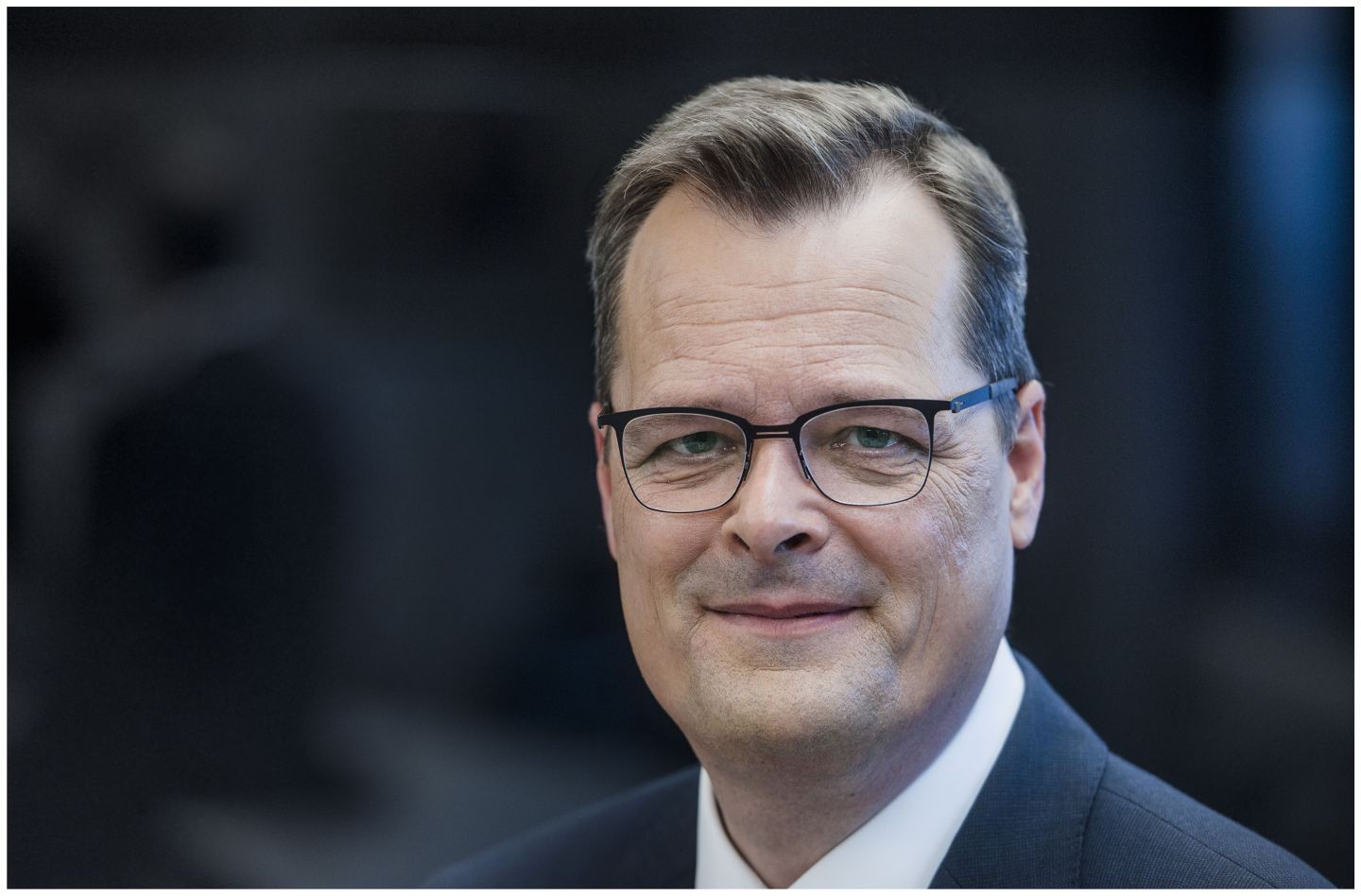
Guest article by Prof. Joachim Wuermeling
The digital euro is on its way. The European Central Bank is working intensely on preparations. An initial pilot is scheduled for testing next year. It is scheduled to launch in 2029, in less than three years' time. Meanwhile, European legislators are finalising the design details.
The political debate currently focuses on a few key issues, such as data protection and the future of cash. However, 'digital cash' is much more than just another payment method. It will enable innovations that are highly relevant to trade, industry, and services in Germany and across the eurozone. Why?
Digital money is superior to conventional money
The digitisation of money means it can be transferred directly via the internet in the form of an encrypted data package, or 'token'. By contrast, with today's 'digital' card or online banking payments, only information is transmitted digitally to traditional account systems, where transactions are actually carried out. Much like letters becoming emails or information on websites becoming digital, digital money has functionalities that are superior to those of traditional money. Digital money can be integrated into end-to-end processes. Transfers are possible 24 hours a day, seven days a week. Transfers take place in real time and cost only a fraction of conventional payments.
The potential for innovation is considerable
This creates considerable potential for innovation, enabling new business models, broadening the addressable market, reducing business risk, boosting efficiency and cutting costs. This makes pay-per-use economically viable. It allows businesses to conduct transactions with customers all over the world. It reduces the risk of payment defaults and late payments. This is how processes can be automated and staff numbers reduced.
For example: A machine manufacturer receives payment based on how long the machine is used for. A meter records each individual use. The application then calculates the fee. Upon receiving this signal, an automated payment is made using digital money.
Consumers enjoy many advantages
The digital euro offers consumers more advantages than is sometimes assumed. Instead of using multiple cards, apps and cash, they can pay anywhere in the euro area using a single means of payment. This is because the digital euro is legal tender. Fund transfers are significantly more anonymous than card payments or bank transfers, and almost as anonymous as cash payments. Unlike cards, the digital euro is equipped with an offline function, meaning it can be used in an emergency even without a network connection or power supply. The requirement for buyers to pay in advance for online orders can be avoided if payment is made automatically upon the digitally verified provision of a service in a smart contract.
Dependencies are reduced
The digital euro also reduces our heavy reliance on non-European payment service providers. Just imagine the consequences if they were to cease their services in Europe for political reasons. The digital euro, on the other hand, uses exclusively European infrastructure, thereby promoting European resilience.
Banks and retailers must be ready by 2029
The digital euro will be made available via banks and other payment service providers. They must now create the conditions for its use, such as providing wallets and setting up new process chains. Retailers must install the infrastructure to accept digital euro payments. This is a significant undertaking, as everything must be in place in just three years.
Time to act
It is therefore time for businesses to consider the digital euro seriously from a business perspective, moving beyond superficial public debates. Those who want to benefit from the digital euro when it launches in 2029 must understand the added value for their business and, if necessary, start preparing.
Get in Touch
These are just a few of our speakers and experts who will enhance your event with their expertise. Contact us. We will find the perfect speaker for you.