China verändert die Spielregeln der Weltwirtschaft. Das Land investiert massiv in Künstliche Intelligenz, Elektromobilität und industrielle Innovation und baut seinen globalen Einfluss kontinuierlich aus. Für Unternehmen stellt sich die Frage, wie sich Chinas wirtschaftliche, technologische und geopolitische Entwicklung auf Märkte, Wettbewerb und internationale Zusammenarbeit auswirkt.
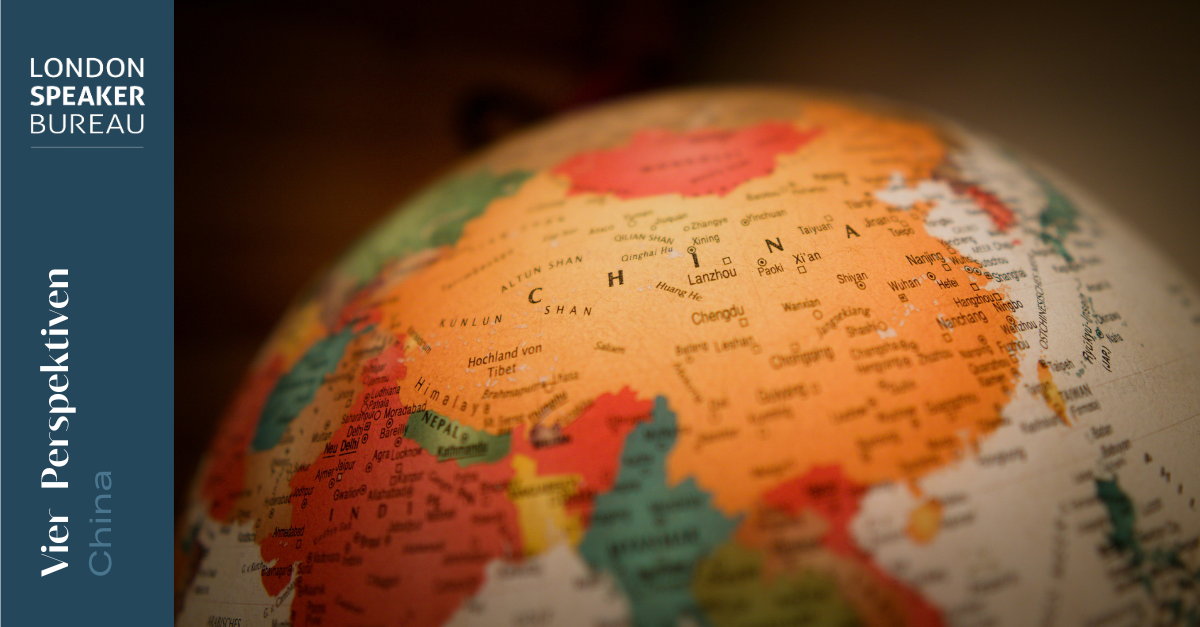
Doch China lässt sich nicht aus nur einer Perspektive verstehen. Technologie, Wirtschaft, Politik und globale Handelsbeziehungen greifen heute enger ineinander denn je. Unsere Experten beleuchten diese Entwicklungen aus unterschiedlichen Blickwinkeln und helfen dabei, Chancen und Risiken besser einzuordnen.
Björn Conrad: Chinas Aufstieg zur Hightech- und Wirtschaftsmacht
Björn Conrad zeigt, wie China seinen wirtschaftlichen und technologischen Einfluss systematisch ausbaut – von Künstlicher Intelligenz und intelligenter Fertigung über kritische Rohstoffe bis hin zum globalen Wettbewerb chinesischer Unternehmen. Zudem ordnet er den Technologie- und Handelskonflikt zwischen den USA und China sowie die geoökonomische Strategie Pekings ein und erläutert die Folgen für globale Lieferketten und die internationale Wirtschaft.
Frank Sieren: China verstehen statt nur beobachten
Kaum ein deutscher Journalist hat China über einen so langen Zeitraum begleitet wie Frank Sieren. Aus jahrzehntelanger Erfahrung erklärt er, wie Politik, Gesellschaft und Wirtschaft zusammenwirken und warum viele westliche Einschätzungen Chinas zu kurz greifen. Seine Analysen helfen dabei, die Dynamik der zweitgrößten Volkswirtschaft der Welt besser zu verstehen und langfristige Entwicklungen frühzeitig zu erkennen.
Jörg Wuttke: Wirtschaft zwischen Kooperation und Wettbewerb
Als langjähriger Präsident der Europäischen Handelskammer in China kennt Jörg Wuttke die wirtschaftlichen Beziehungen zwischen Europa und China wie kaum ein anderer. Er schildert die Herausforderungen internationaler Unternehmen vor Ort, ordnet regulatorische Veränderungen ein und erklärt, wie sich Investitionen, Handelsbeziehungen und globale Wertschöpfungsketten verändern. Seine Perspektive verbindet praktische Erfahrung mit wirtschaftspolitischer Einordnung.
Sander Tordoir: Europas Antwort auf Chinas Industrieoffensive
Chinas Industriepolitik verändert die globalen Wettbewerbsbedingungen. Der Ökonom Sander Tordoir analysiert, welche Folgen staatliche Subventionen, Überkapazitäten und eine exportorientierte Wirtschaftspolitik für Europas Schlüsselindustrien haben, von der Automobilbranche über den Maschinenbau bis zur Chemieindustrie. Als Chief Economist des Centre for European Reform zeigt er auf, welche industrie- und handelspolitischen Antworten Europa entwickeln muss, um seine Wettbewerbsfähigkeit langfristig zu sichern.
Vier Perspektiven für ein umfassenderes Verständnis Chinas
China ist Innovationsmotor, Wirtschaftspartner, Wettbewerber und geopolitischer Akteur zugleich. Wer die Entwicklungen richtig einordnen möchte, braucht unterschiedliche Perspektiven. Björn Conrad, Frank Sieren, Jörg Wuttke und Sander Tordoir verbinden Technologie, Politik, Unternehmenspraxis und europäische Industriepolitik zu einem Gesamtbild und liefern Entscheidungsträgern wertvolle Orientierung in einer Welt, in der Chinas Einfluss weiter wächst.
Sprechen Sie uns an
Dies sind nur einige unserer Redner und Experten, die mit ihrem Wissen Ihre Veranstaltung bereichern. Sprechen Sie uns an. Wir finden den perfekten Redner für Sie.